Automotive Ownership
boring but necessary

There is a bit more personal responsibility required for owning a car here in New Zealand, from maintenance to taxes to regulations. We have also noticed a few minor differences that throw us for a loop from time to time.

The Car
Mom has been a devout Toyota SUV owner for two decades. In New Zealand, she notices that some simple reminders of car maintenance are absent. Historically, she relied on the dash light to keep track of the 5,000 mile intervals recommended for oil changes. After 8,300 kilometers, though, she has realized that there may not be such an alert. 😳 Tire pressure monitors are also nonexistent, which she learned after sensing a significant wobble while driving. Telling the tyre repair men that the Limited model usually offered such an alert back home prompted the dry Kiwi response, “Yep, it’s limited all right!”
Sadly, there is no heated steering wheel. But there are seat heaters for that cold morning commute.
Finally, though the steering wheel is on the right side, the gas tank door is still on the left. Which means that Mom has hopped into the passenger seat more than once after refilling at the pump. Unlearning our conditioned knowledge has got to be good for our aging brains!
Fuel
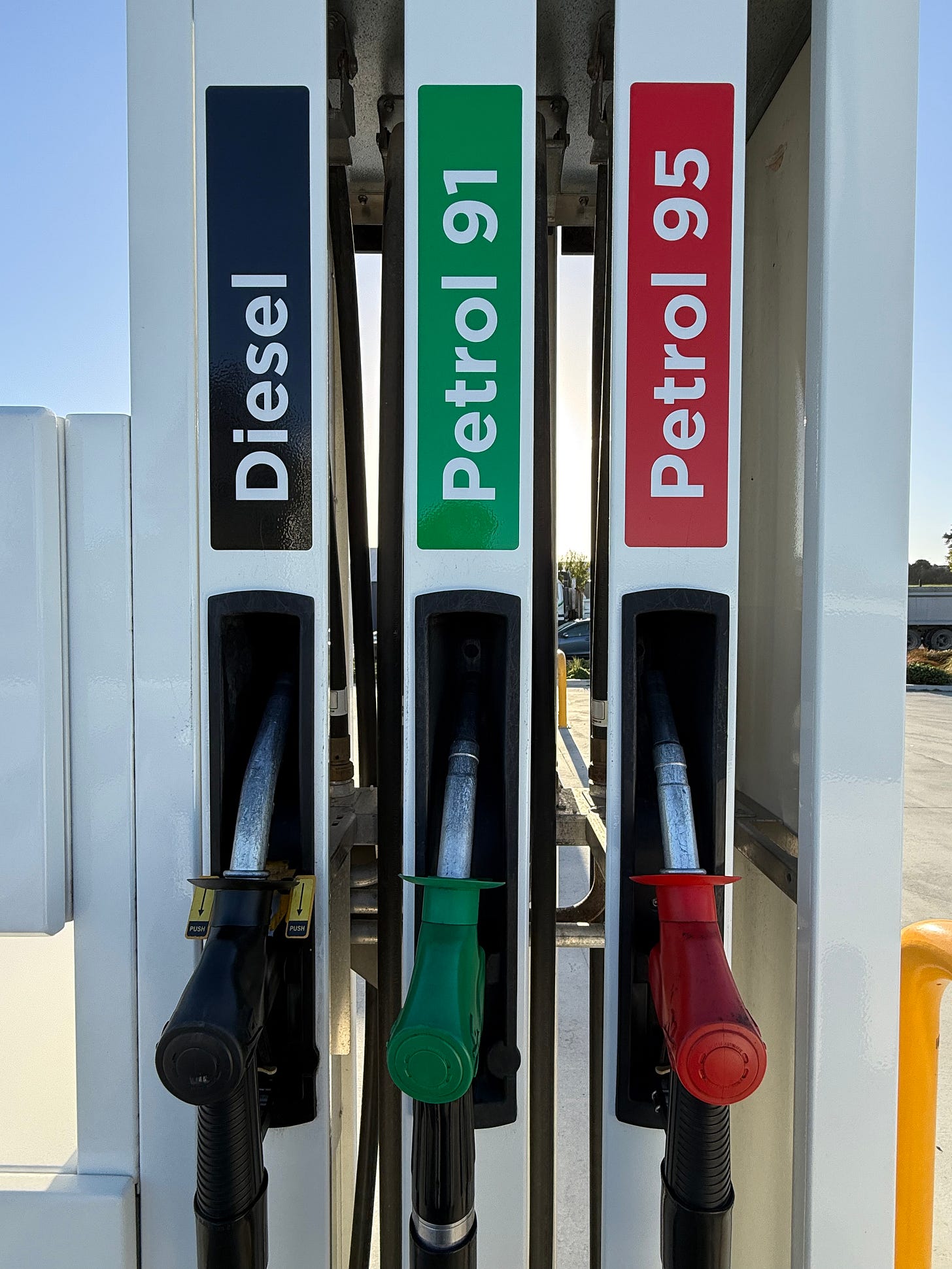
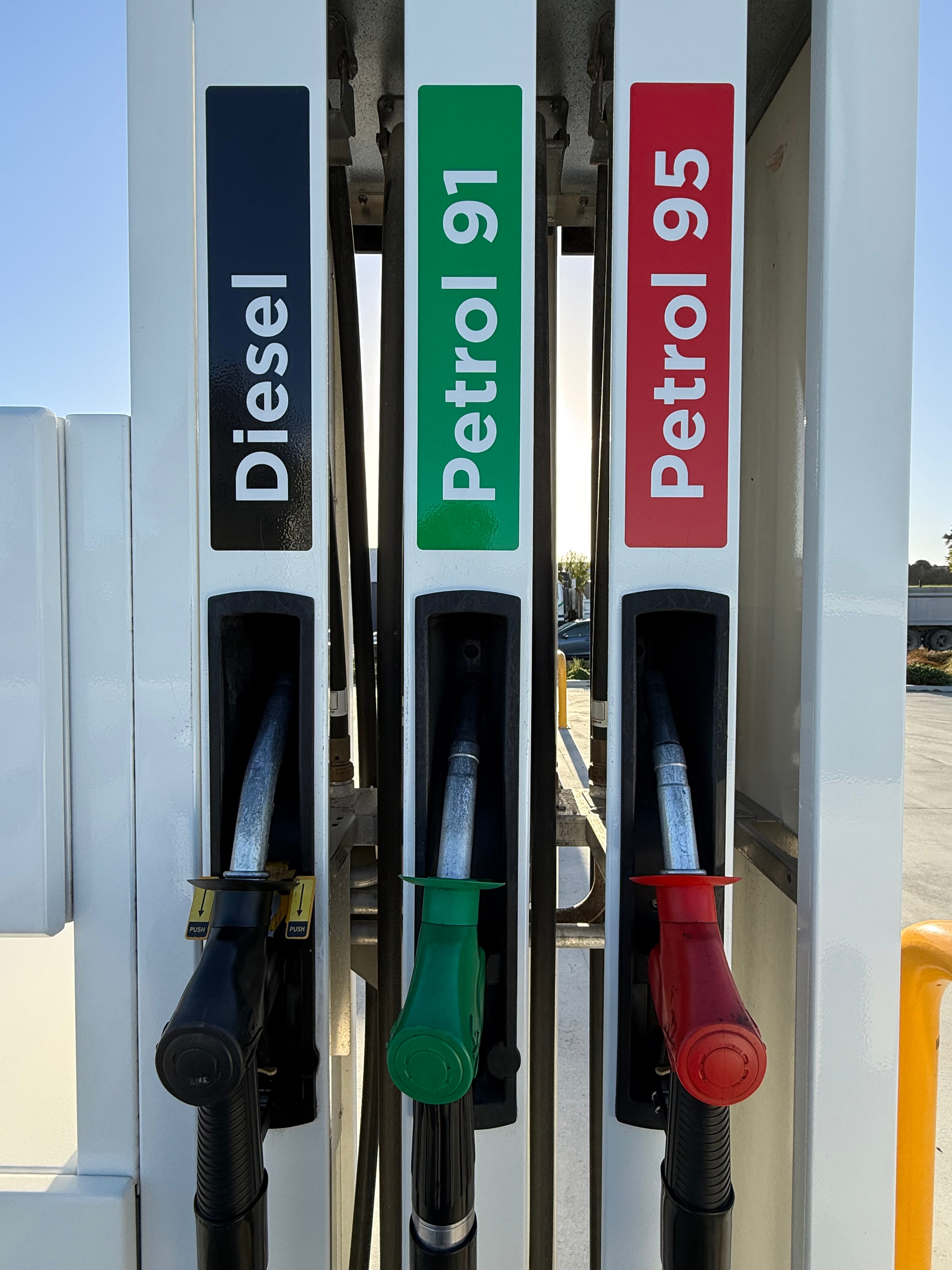
Gas/petrol (they use both terms here) currently costs $3.26 per liter. There are 3.78 liters in a gallon. Filling a Rav4 tank costs $150.
The lowest octane gas available is 91.
There is no ethanol in the gas.
Regulations
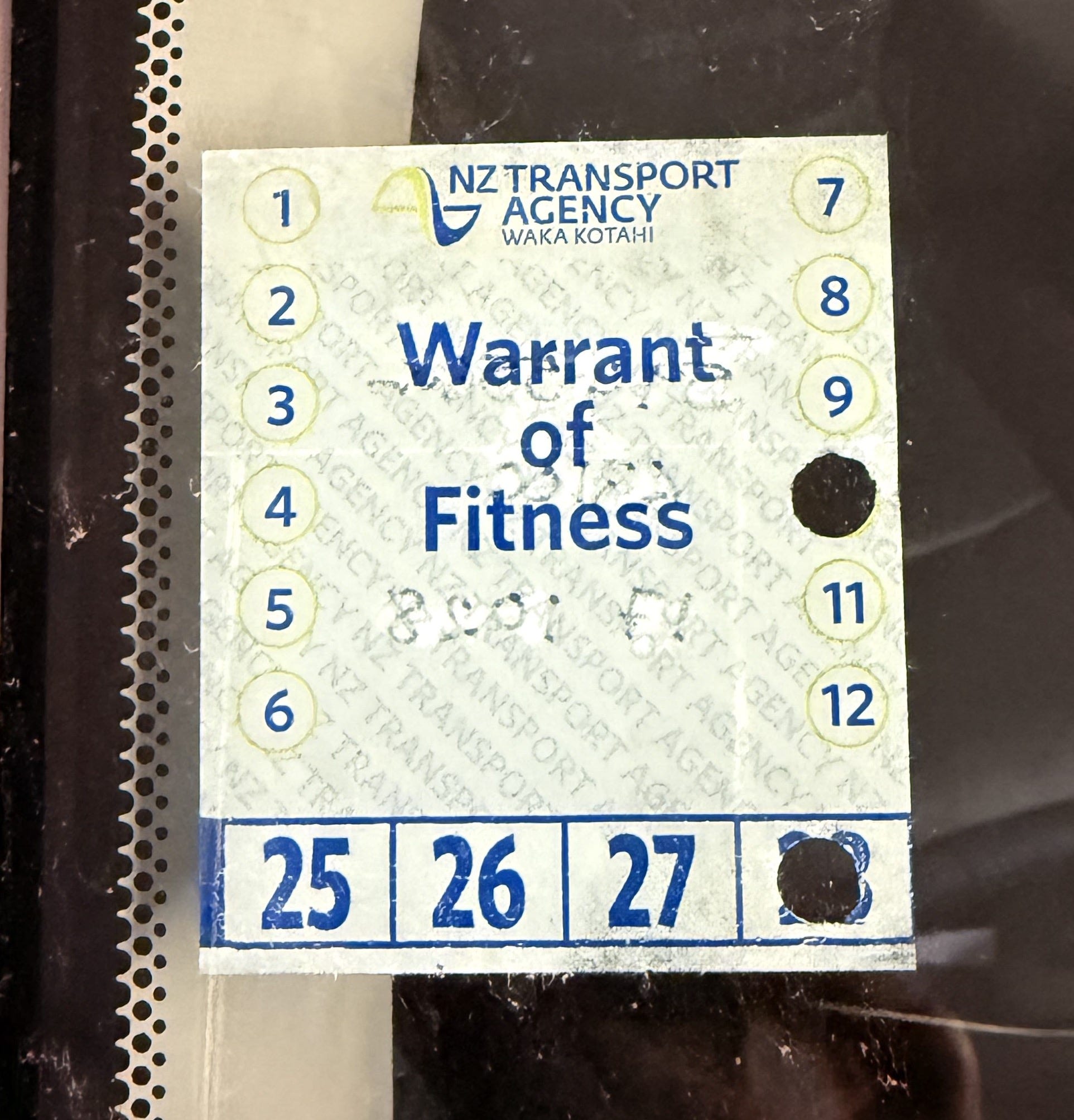
All vehicles require a warrant of fitness at all times. Brand new vehicles get a three year WoF, after which annual inspection is required (every six months for cars built before the year 2000.) These inspections verify functionality of tyres, brakes, windscreens and wipers, seatbelts, steering and suspension, exhaust, doors, speedometer, airbags, lights and fuel system. They also confirm the absence of rust in certain areas. Buying a used car, therefore, confers an added level of peace that the car was likely maintained better than those from other countries.
Those who don’t pay full price at the gas pump have to pay road user charges to contribute to road maintenance (that is, owners of electric and diesel vehicles.) Owners prepay approximately $76 per 1,000 kilometers. Getting caught with expired RUCs invokes a fine. Hybrid vehicles enjoy the sweet spot in this scheme, as they travel longer distances on a single tank of taxed gas. There is some frustration amongst diesel drivers in this current fuel crisis that they no longer receive a discount at the pump but are still paying RUCs.
Car insurance is not required, though there are affordable liability and comprehensive coverage options. Drivers can be found legally liable for accidents they cause, of course. Bodily injuries are covered by ACC (Accident Compensation Corporation), one of the amazing social support systems that we love in New Zealand. Both boys have had ACC claims, which paid for an ENT evaluation for one and a set of X rays for the other. No bills, no paperwork. Just done.
What a learning curve on car ownership also !!!